
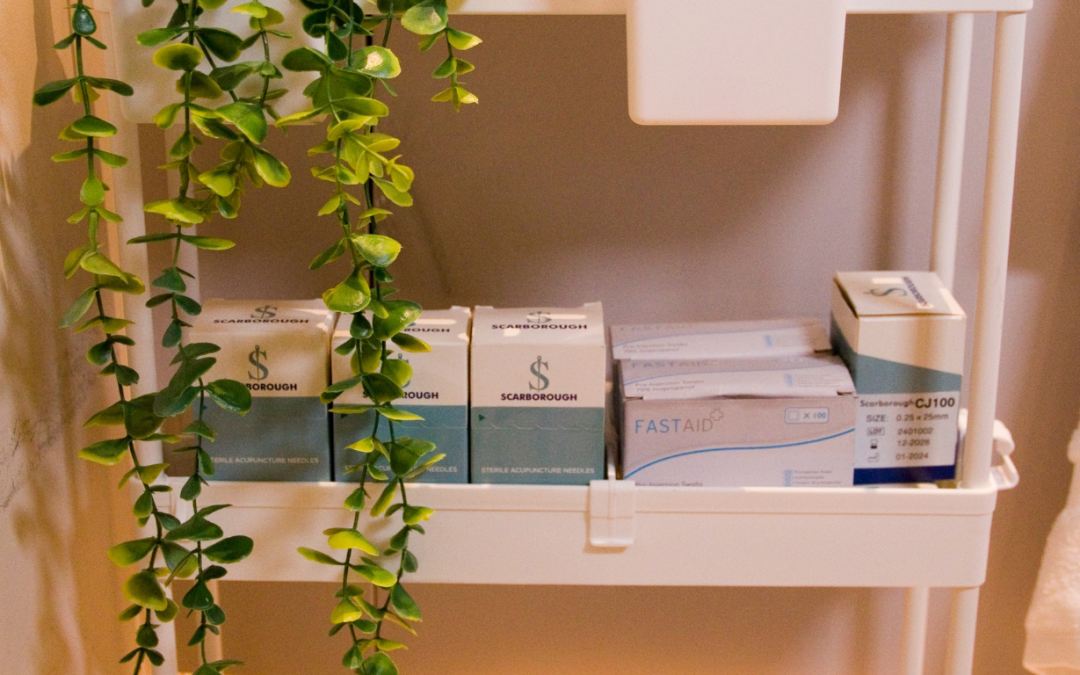
If you’re exploring osteopathy, physiotherapy, or chiropractic care in Maidstone for pain relief, you may have come across different terminology for needle-related techniques such as dry needling. While different types of acupuncture involve the use of fine, sterile needles, they have key differences that are important to understand.
At Bearsted Osteopathic Clinic, Keira offers dry needling as part of her osteopathy treatments. However, she does not practise traditional Chinese acupuncture. Understanding how these approaches differ can help you make an informed decision about your care. Keep reading to learn more about the background, principles, and goals of each method so you can decide which approach suits your needs best.
Origins & Philosophies
Chinese Acupuncture
Chinese acupuncture is a key part of Traditional Chinese Medicine (TCM), a healthcare system developed over thousands of years. It is based on the concept of the body’s vital energy named Qi (pronounced “chee”) and its movement through pathways called meridian lines. Its thought in TCM that imbalances or blockages in Qi may contribute to discomfort or illness. Acupuncturists insert needles at specific meridian points to restore balance and support the body’s natural healing processes. Chinese Acupuncture is widely recognised and regulated in the UK, with professional standards set by organisations such as the British Acupuncture Council.
Dry Needling
Dry needling, by contrast, is grounded in Western medical principles and modern anatomical science. Rather than focusing on energy channels or meridians, it targets myofascial trigger points. Tight, sensitive bands within muscle tissue that can contribute to localised or referred pain and restricted movement. This technique is commonly used by healthcare professionals such as osteopaths, chiropractors and physiotherapists. At Bearsted Osteopathic Clinic, we often integrate this technique into treatment plans to help reduce muscular tension, support pain relief, and improve mobility where clinically appropriate. The approach is typically combined with other hands-on osteopathic techniques
Key Differences
- Underlying Principles: Chinese acupuncture is rooted in Traditional Chinese Medicine (TCM), focusing on energy flow and meridians, whereas dry needling is a modern technique based on anatomical and neurological principles.
- Needle Placement: Acupuncture involves inserting needles at specific meridian points selected according to TCM diagnosis. Dry needling focuses on palpable trigger points within muscles that are contributing to pain or restricted movement.
- Treatment Goals: Acupuncture is often used with a holistic focus on overall well-being, whereas dry needling aims specifically to relieve muscle tension and discomfort.
- Assessment Style: Traditional acupuncture may include pulse and tongue diagnosis alongside a detailed lifestyle & medical review. Dry needling is typically performed following a musculoskeletal assessment, including posture, range of movement, orthopaedic testing and a past/present medical history.
Book an Appointment
At Bearsted Osteopathic Clinic, we’re committed to helping you find the right treatment for your needs. If muscle pain or tension is affecting your daily life, we can incorporate dry needling into your osteopathy session to support your recovery.
If you’re unsure which approach is right for you, we’re happy to discuss your symptoms and answer any questions. Get in touch today to book an appointment and discover how osteopathy could help you feel your best.