What can we treat?
Osteopaths don’t simply treat a set of specific conditions but instead the person as a whole. Everything is connected.
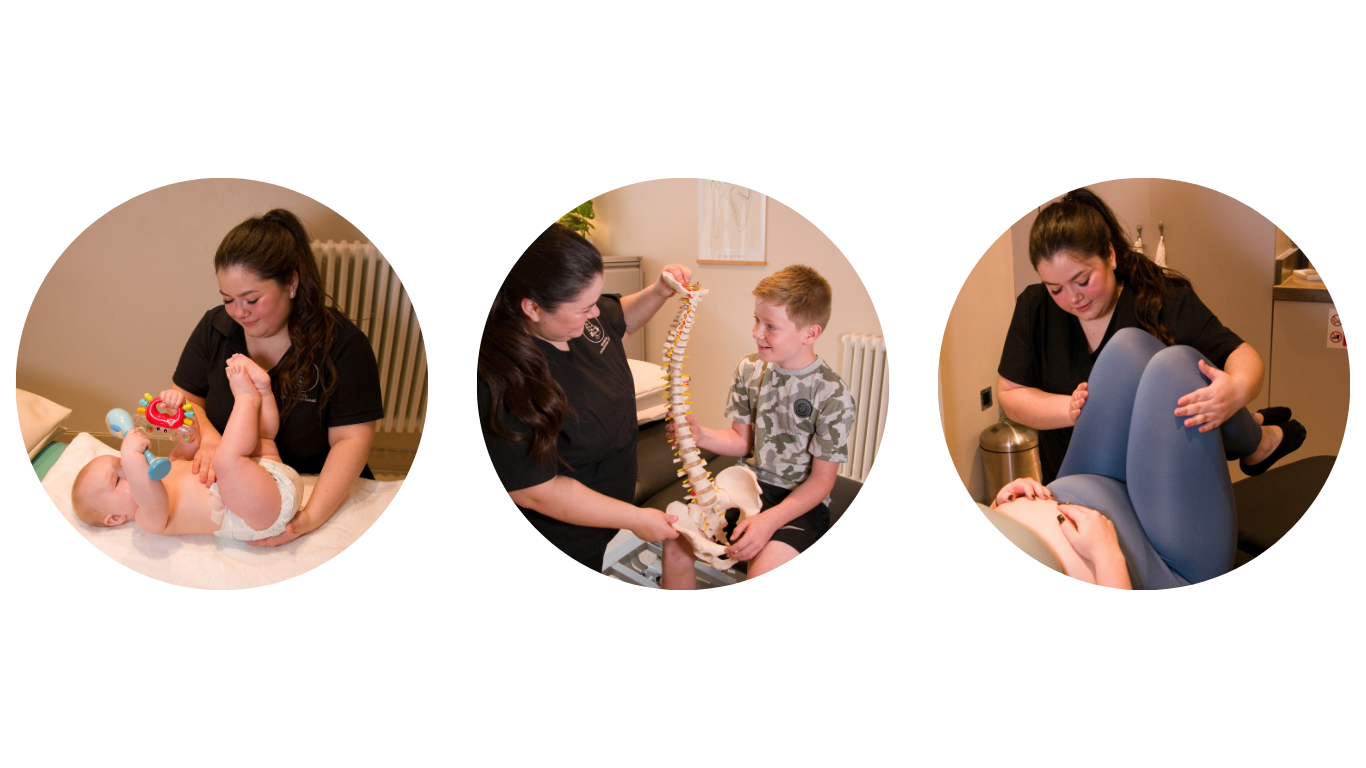
At Bearsted Osteopathic Clinic, we care for patients of all ages, from babies and children through to adults and older adults. Each stage of life places different demands on the body, Whether that’s supporting a growing child, adapting to pregnancy and postnatal changes, maintaining an active lifestyle, or managing age-related stiffness. Our approach is always tailored to the individual, taking into account age, medical history and personal goals.
For example, a shoulder injury may also affect your neck and then contribute to headaches.
However, a range of conditions and symptoms we have treated in clinic include:
- Chronic pain (Such as Fibromyalgia)
- Neck related headaches
- Arthritic & Rheumatic pain
- Sports injuries & Repetitive strain injuries
- Pregnancy related aches & pains
- Postnatal discomfort
- Migraine prevention
- Cramp & circulatory issues
- Low back pain & “Sciatica”
- Joint pain-neck, shoulder, elbow, wrist, rib, hip, knee & ankles.
- General tension
It’s important to emphasise that you don’t have to be in pain to benefit from osteopathy. Osteopathic care can aid mobility, improve sleep quality, help with the effects of stress, improve circulation, improve performance, and improve strength. Treatment can also be a preventative measure to keep you doing the things you love most.
Treatment Techniques Available
Osteopathy treatment techniques:
Osteopathic treatment is suitable for almost anyone; however, how we treat is individual and tailored to each patient. This can be based on medical background, preference, or previous experience.
Techniques available at Bearsted Osteopathic Clinic include:
- Soft tissue/lymphatic massage
- Joint articulations
- Joint manipulations, also known as high velocity thrusts (HVTs)
- Muscle energy techniques
- Balanced ligamentous tension
- Visceral techniques
- Cranial techniques

Cranial Osteopathy
Cranial techniques are gentle and subtle, working on rhythmic motion described as “involuntary motion” expressed by all of our tissues. It takes a highly trained sense of touch to listen and identify tensional patterns or tissue quality changes.
In the case of an injury, fracture, or surgical procedure, for instance, we might feel changes in the body.
As a result, we might be drawn to trouble areas and efforts the body has made to compensate for an injury.
Treatment works on restoring a sense of balance in the tissues and reducing strain, allowing them to heal and function optimally.
As this treatment type is gentle, it is commonly used in the care of babies and children. Cranial osteopathy is however powerful for patients of all ages and is often described as being particularly relaxing. Falling asleep during treatment is quite common!

Kinesiology Taping
“K-tape” is another element that can be used as part of your osteopathic treatment.
In the 1970s, Dr. Kenzo Kase of Japan developed this technique to prolong treatment benefits and enhance the body’s self-healing capabilities.
The tape is adhesive with a stretchy cotton fabric backing. It comes in many colours and patterns, but that’s simply for aesthetics! The tape is believed to aid joint stability, decompress tissues, promote drainage and circulation, reduce pain levels, and improve functional mobility and performance.

Dry needling
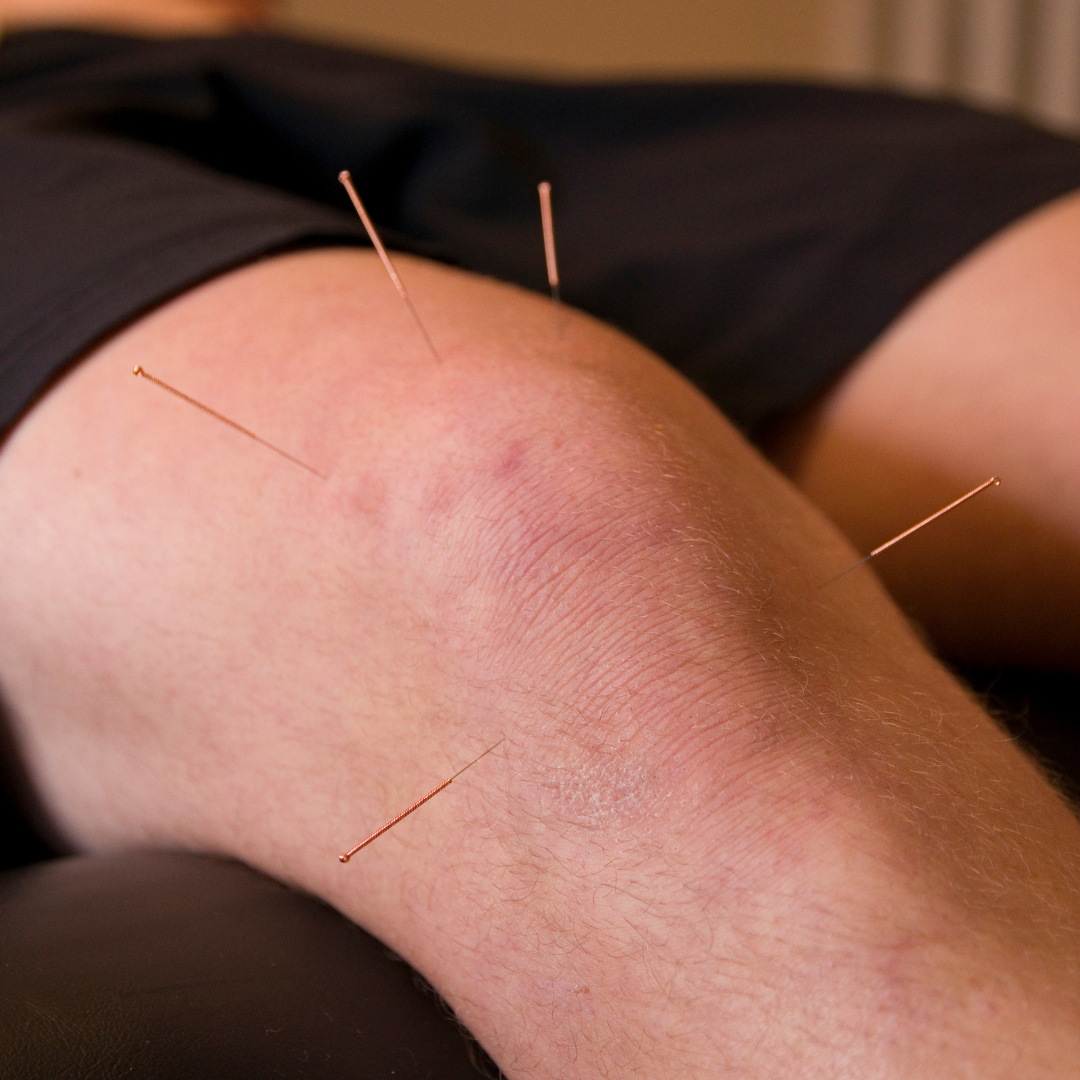
Dry needling is a therapeutic technique in which fine, single-use sterile needles are inserted into specific areas of muscle tissue, commonly referred to as trigger points or areas of muscular tension. The aim is to help reduce muscle tightness, improve blood flow, and stimulate the body’s natural healing responses.
While dry needling shares similarities with acupuncture in using fine needles, it is based on modern musculoskeletal and neurophysiological principles rather than traditional Chinese medicine.
The insertion of needles into tight or dysfunctional muscle tissue is believed to:
✔ Stimulate local nerve pathways, helping to relieve pain
✔ Promote the release of natural pain-relieving chemicals such as endorphins and oxytocin
✔ Improve circulation, aiding tissue healing and reducing inflammation
✔ Reduce muscle spasm and tension, restoring normal movement patterns
Dry Cupping
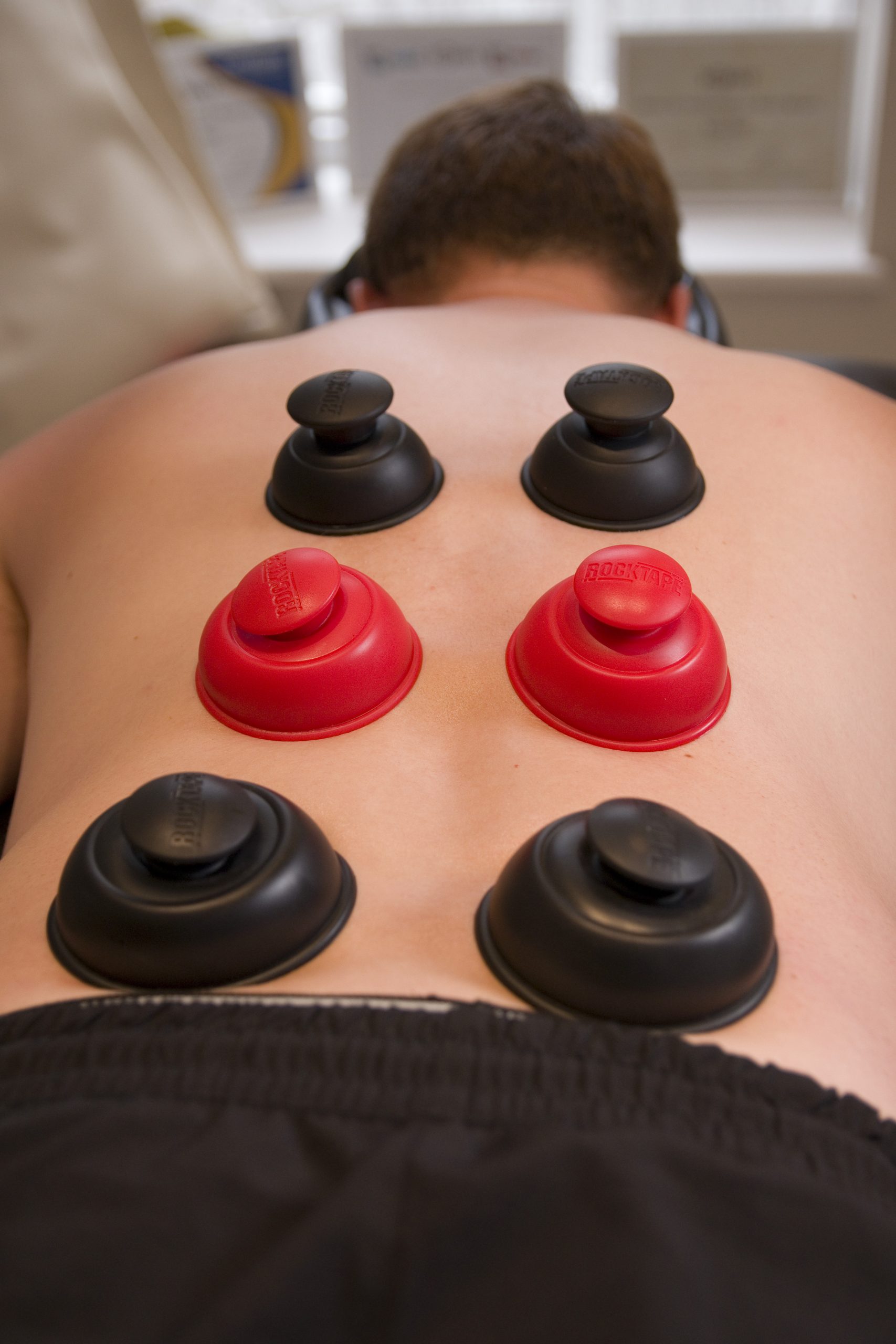
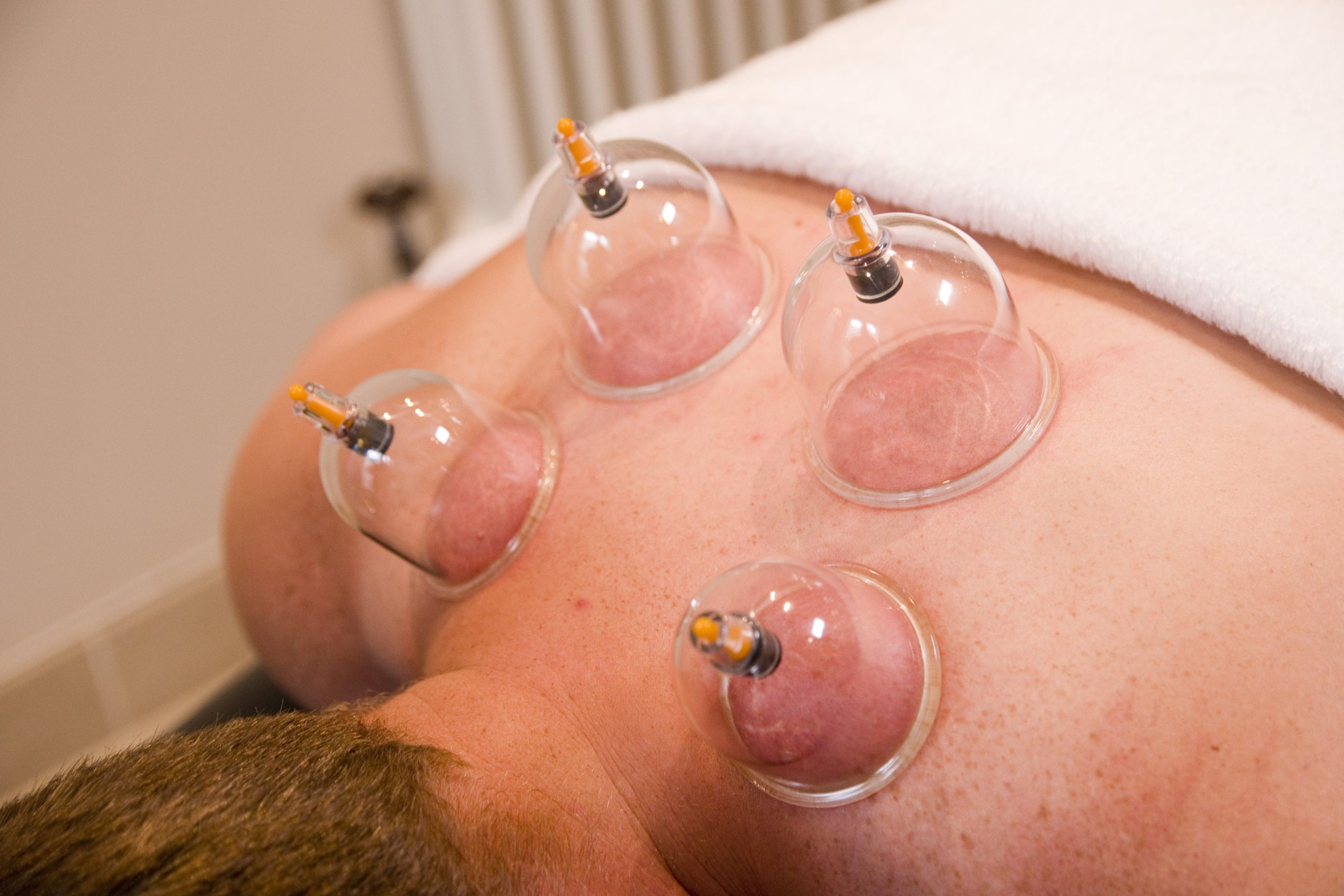
Dry cupping is a technique that can be used alongside massage and other hands-on treatment techniques. It involves placing specially designed cups on the skin to create a gentle vacuum effect, which lifts the underlying tissues. Some techniques involve leaving the cups in place, while others use movement or gliding of the cups across the skin.
One of the visible effects of cupping is temporary skin discoloration, known as ecchymosis, which can resemble a bruise. While usually painless and fading within a few days, in some cases, the marks may last up to 2–3 weeks. It’s important to understand that the colour or intensity of these marks doesn’t indicate how well the technique has worked. We aim to minimise this by keeping the cups on for a limited amount of time.
Dry cupping is thought to support the body in several ways, including:
- Reducing pain through the pain gate theory mechanism
- Promoting an anti-inflammatory immune response in the tissues
- Improving proprioception (your body’s sense of position and movement)
- Contributing to improved mobility